 Sheetrock
Gulf Shores, AL
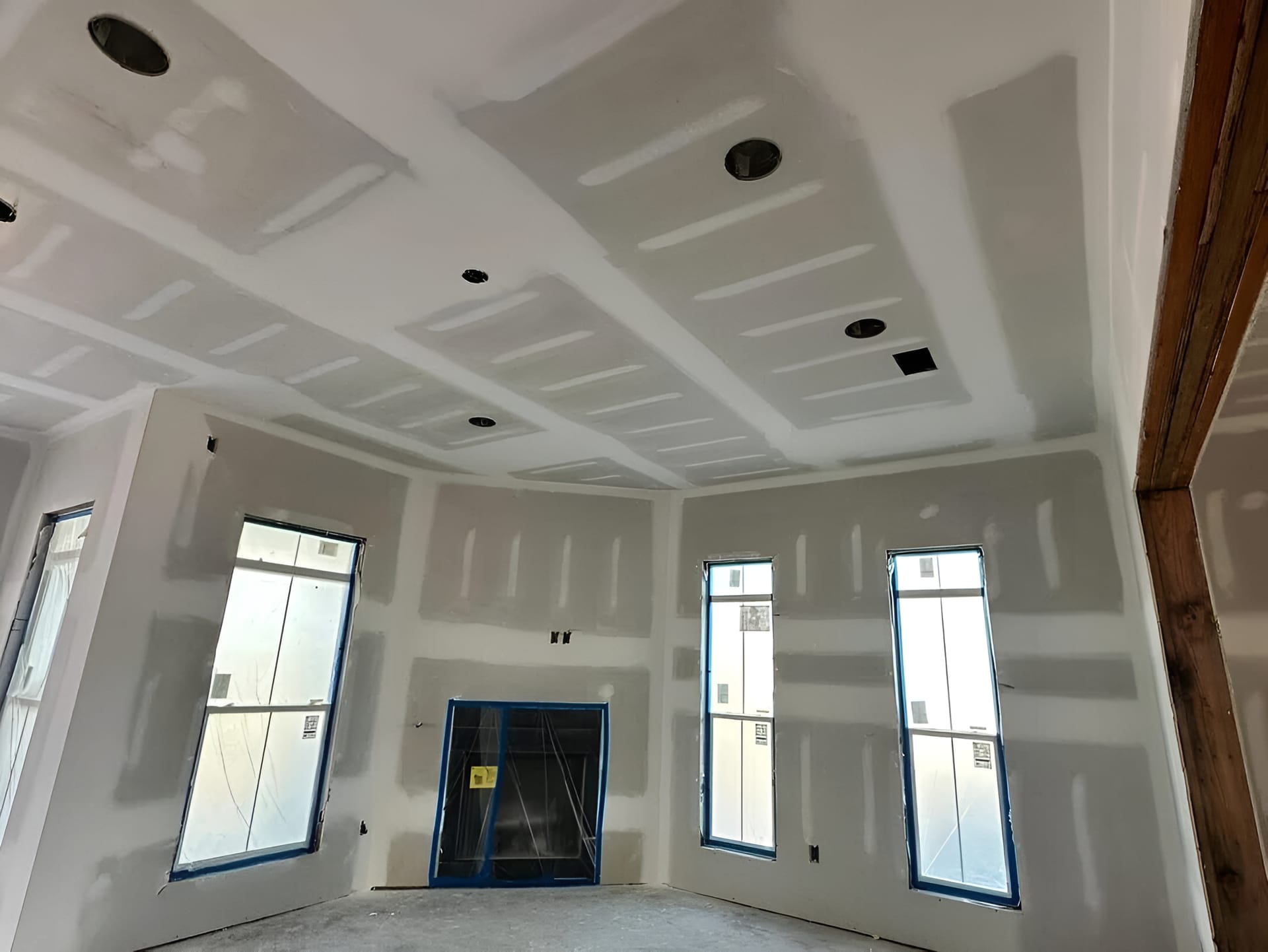
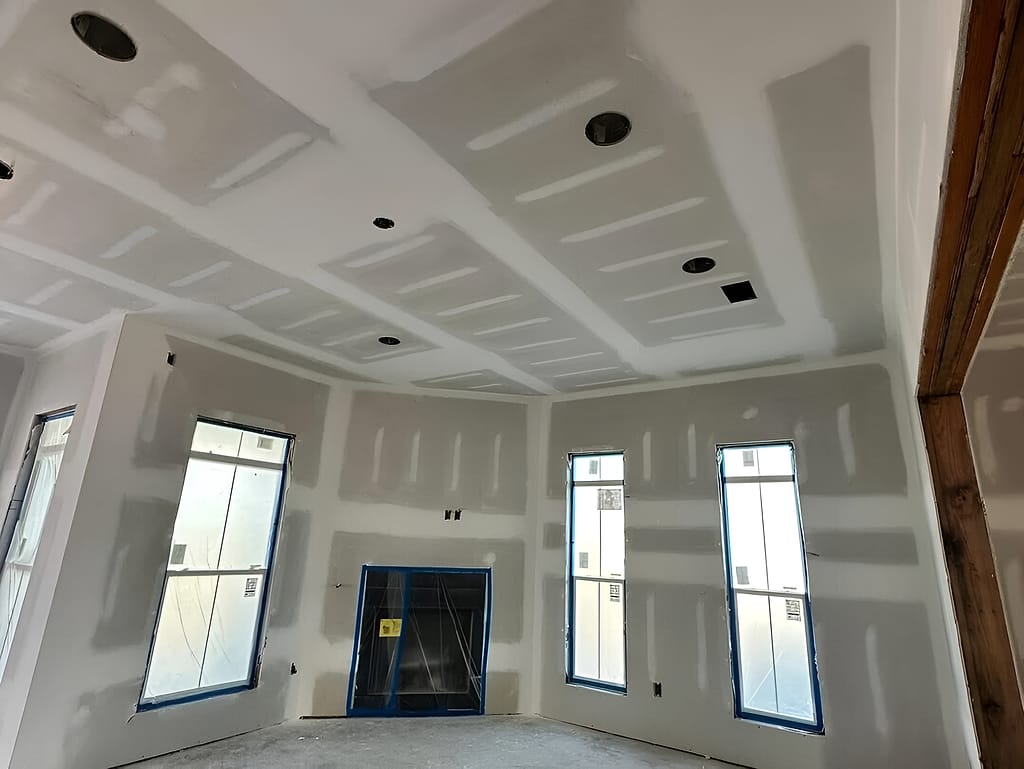
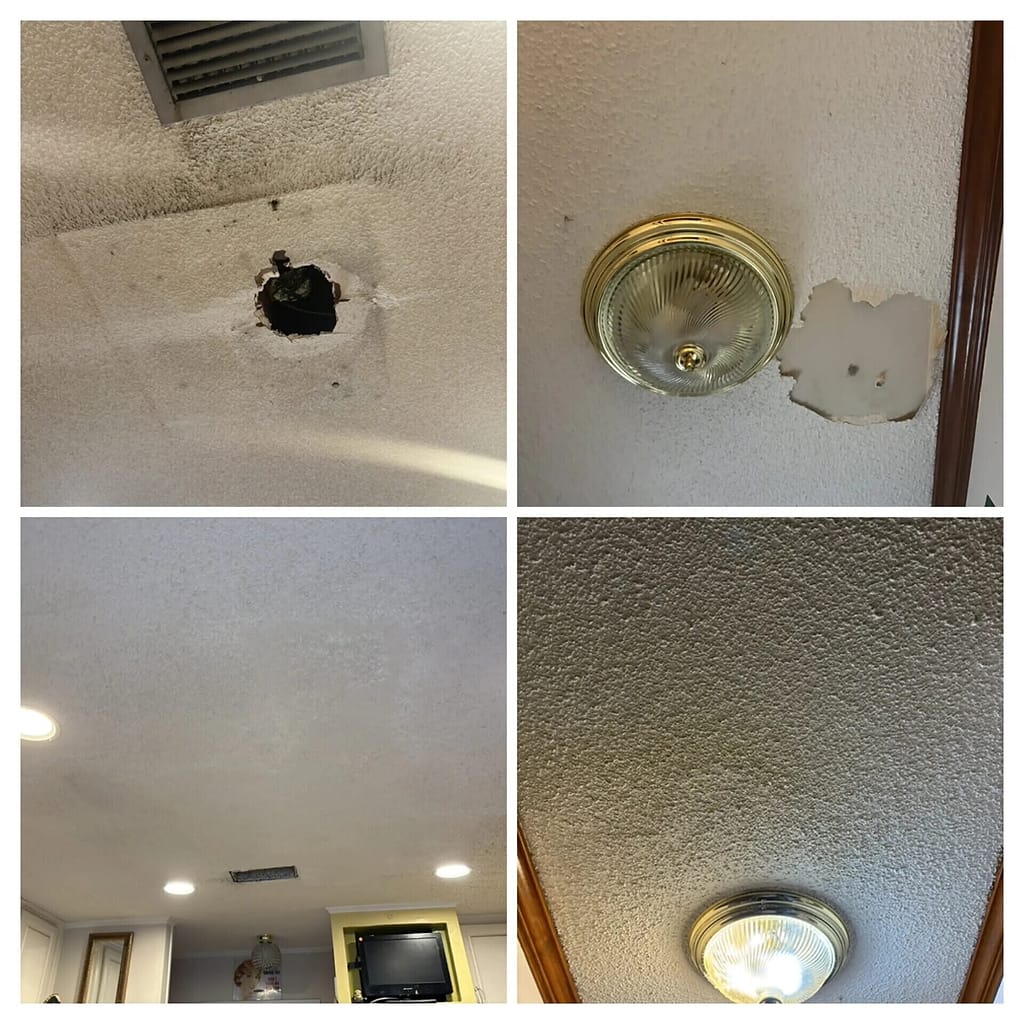
A leak got the ceiling or a wall. The roof, a pipe in the wall or the A/C drain line let go, and the board is stained, sagging or soft. Patching over it only brings the stain back, so the leak gets fixed first. Then we cut out every soft piece, hang new board, and seal what’s left so the stain can’t bleed through the new paint.
The hole is too big to patch. The plumber or electrician opened up the wall, or something went through it, and it’s bigger than about half a sheet. Past that size a patch won’t hold, so we replace the section: new board, then three passes of mud, each wider than the last and sanded between, until you can’t feel where the new board meets the old. Not just a hole or two? Those are done the same day. See patches →
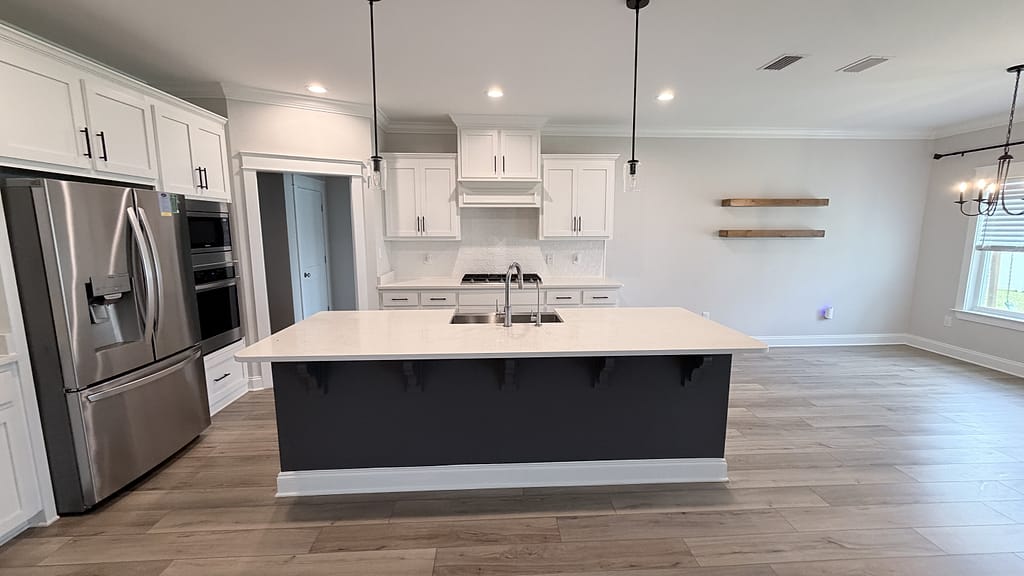
You’re selling, or the tenant moved out. Damaged walls and ceilings are the first thing a buyer or an inspector notices. We replace and finish what’s damaged, match the texture and paint it, so the rooms look cared for in the listing photos.
Whichever it is, your floors and furniture are covered the whole time, and we match your texture on a small spot first so you see it before we do the rest. To make a repair disappear, we finish it corner to corner, or coat the whole ceiling. Stopping in the middle of a wall is how you end up seeing the patch.
When it’s done, we walk it with you, and you don’t pay until you’re happy with it.
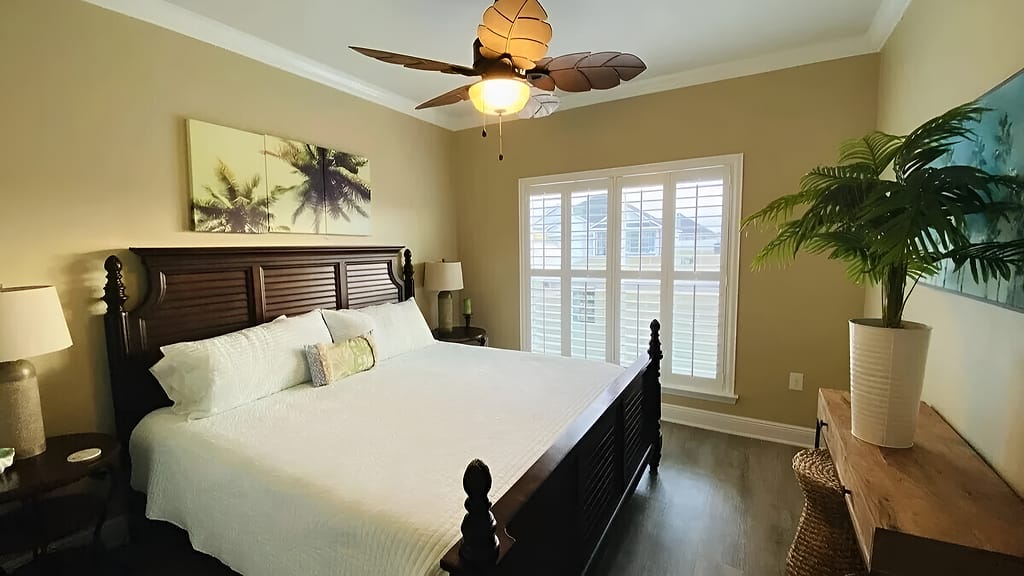
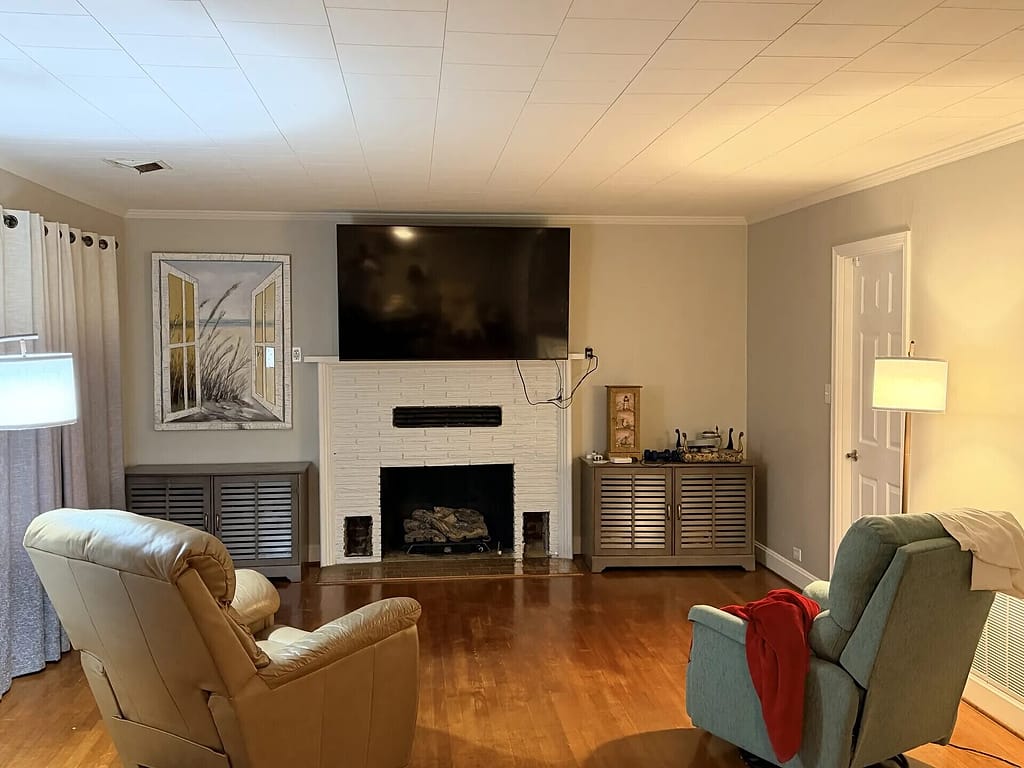
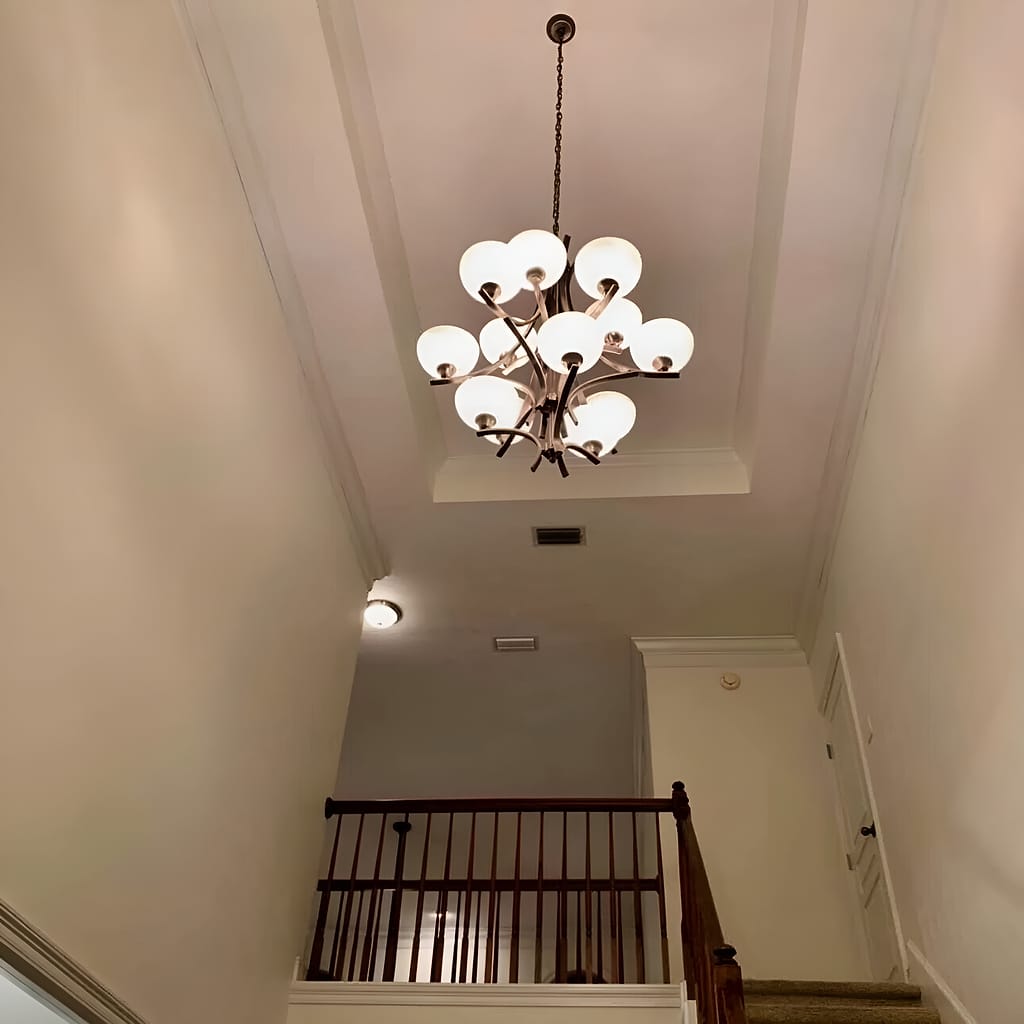
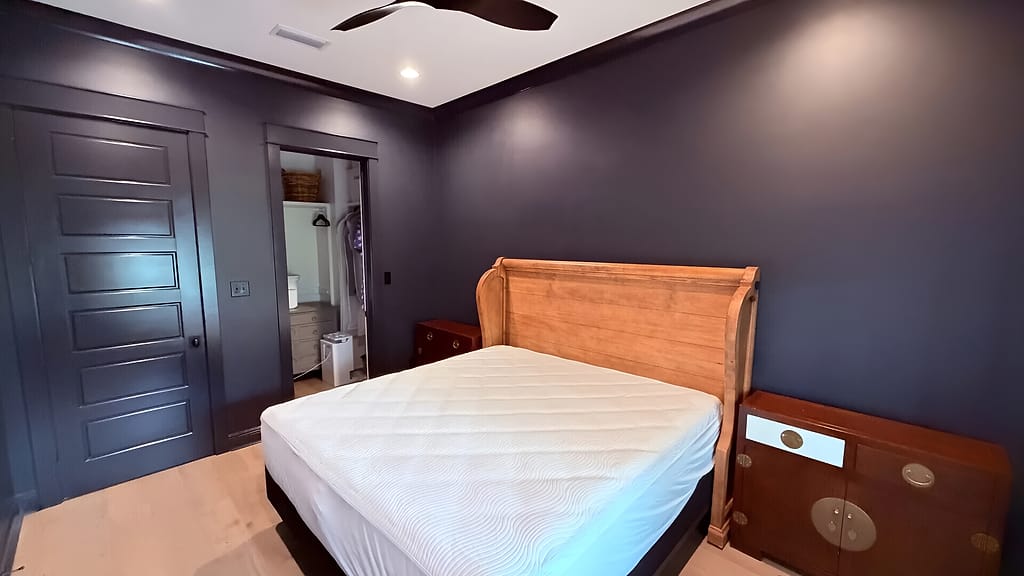
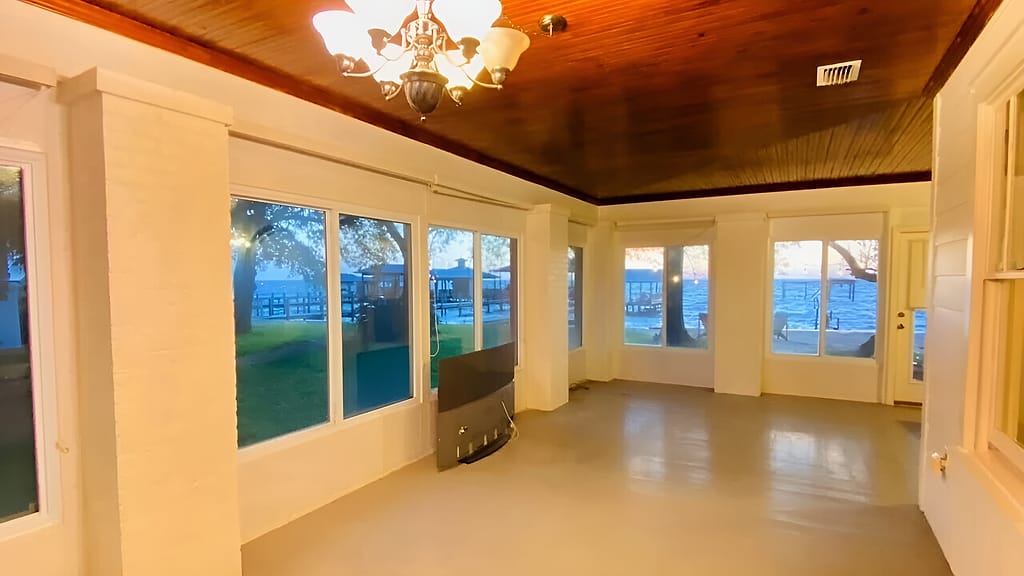
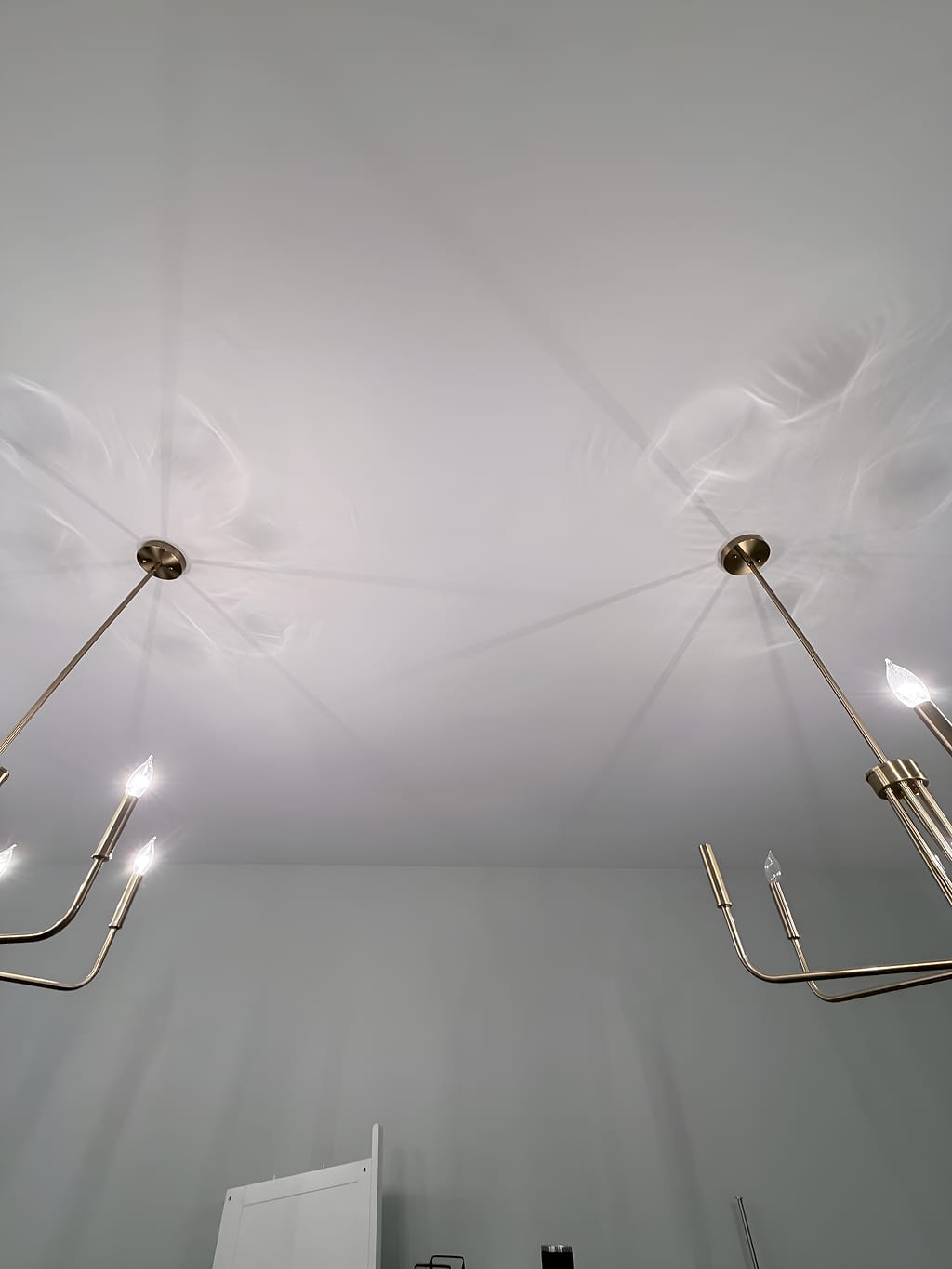
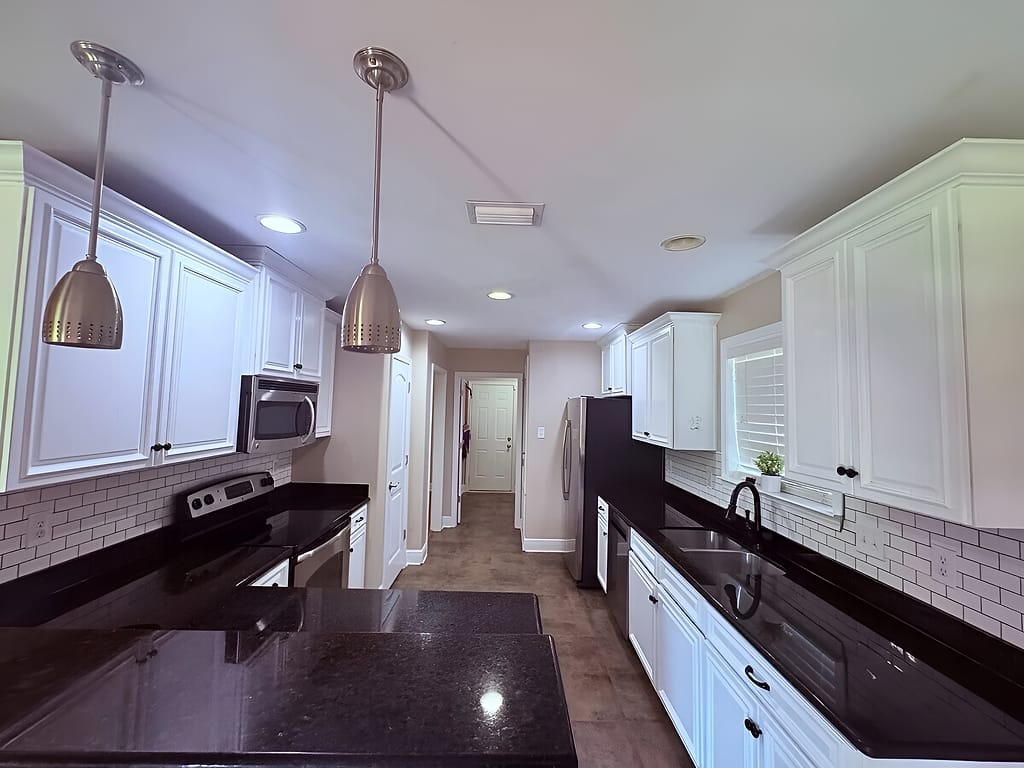
Holes, cracks, water damage and texture, finished so the repair disappears. Open one to look. Real photos of our own work. Like a color? Try it on a photo of your own home →
Sheetrock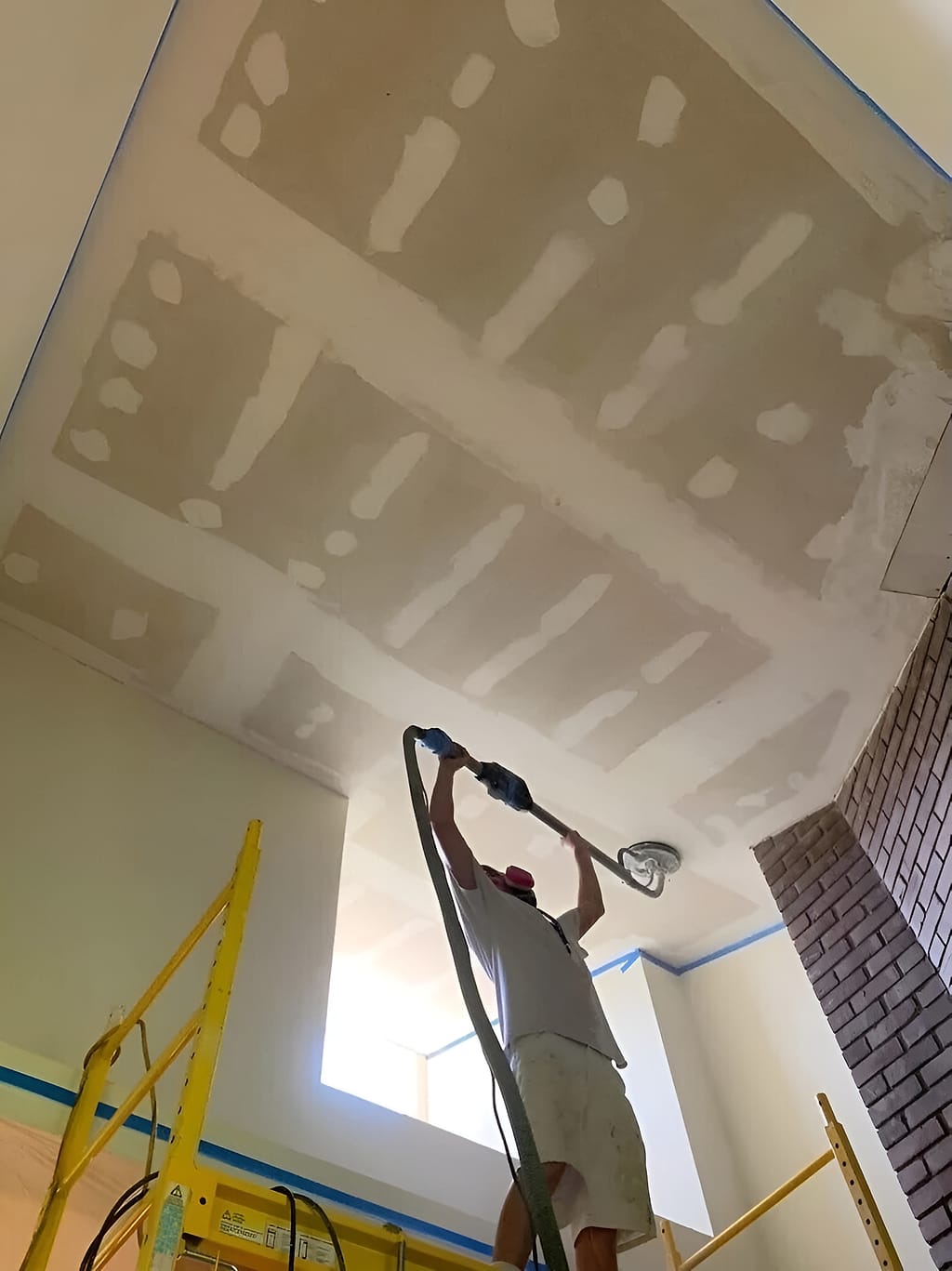 Sheetrock
 Interior
 Interior
 Interior
 Interior
 Interior
 Interior
 Interior
 Interior· Before & After
 Cabinets
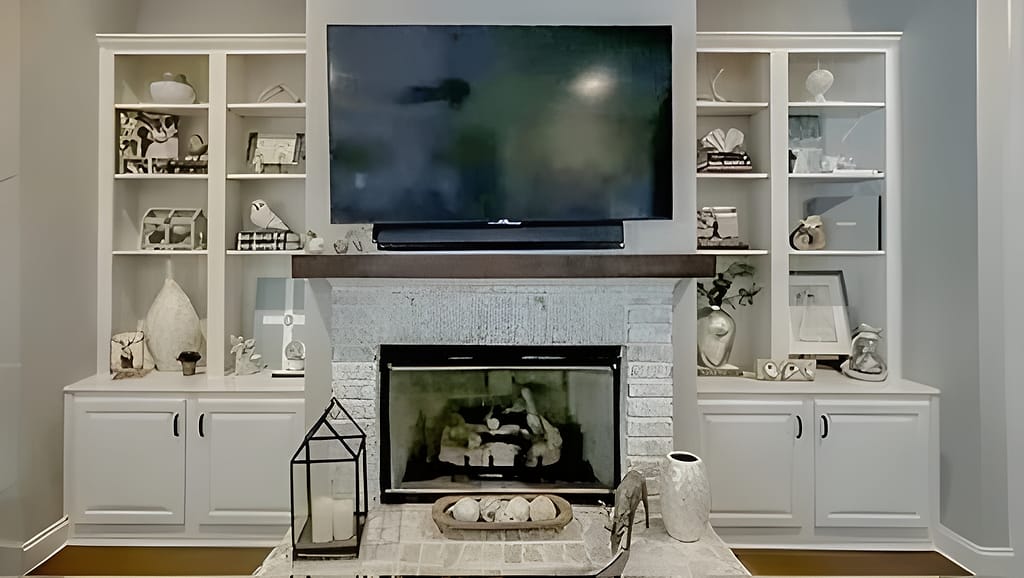 Cabinets
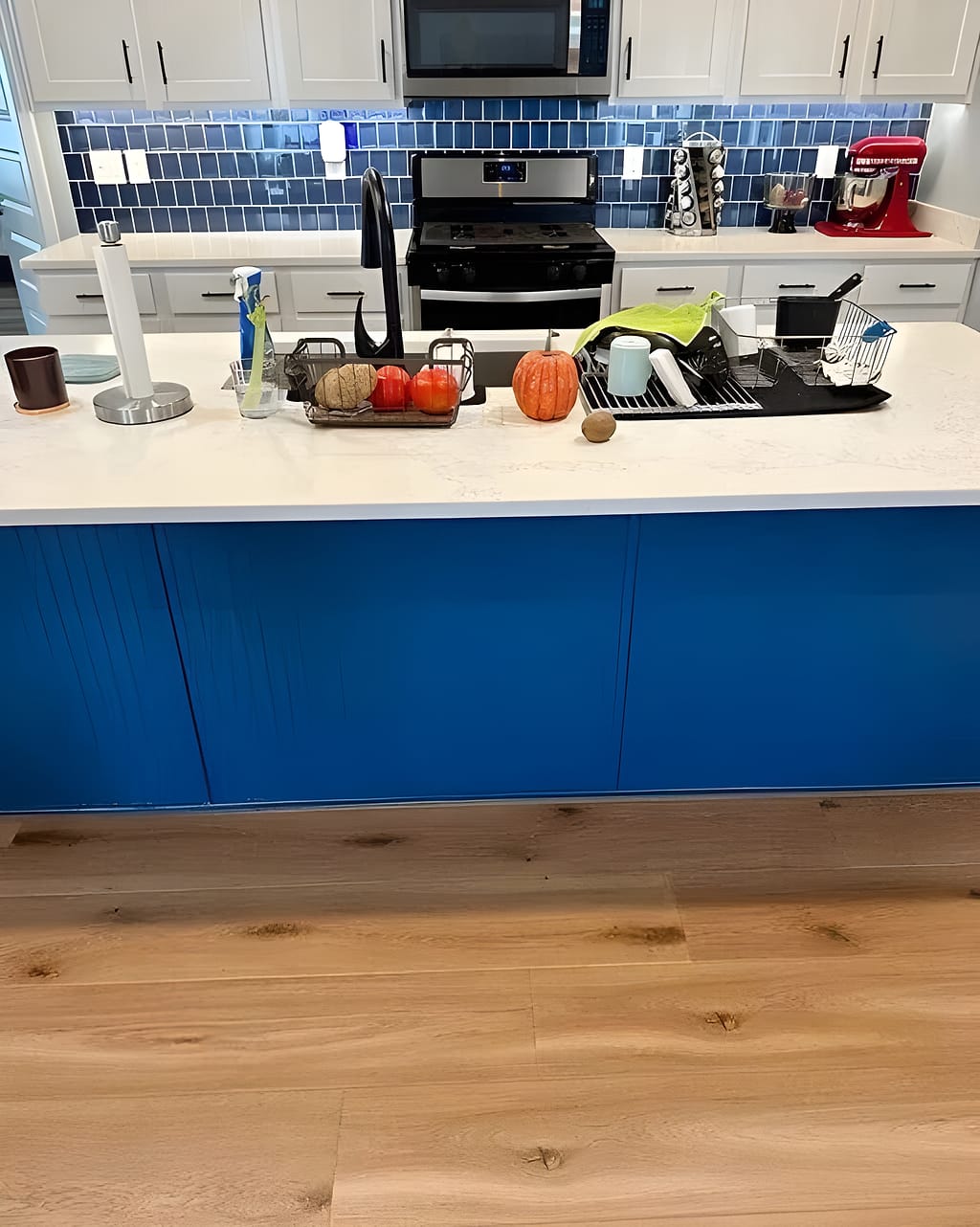 Cabinets
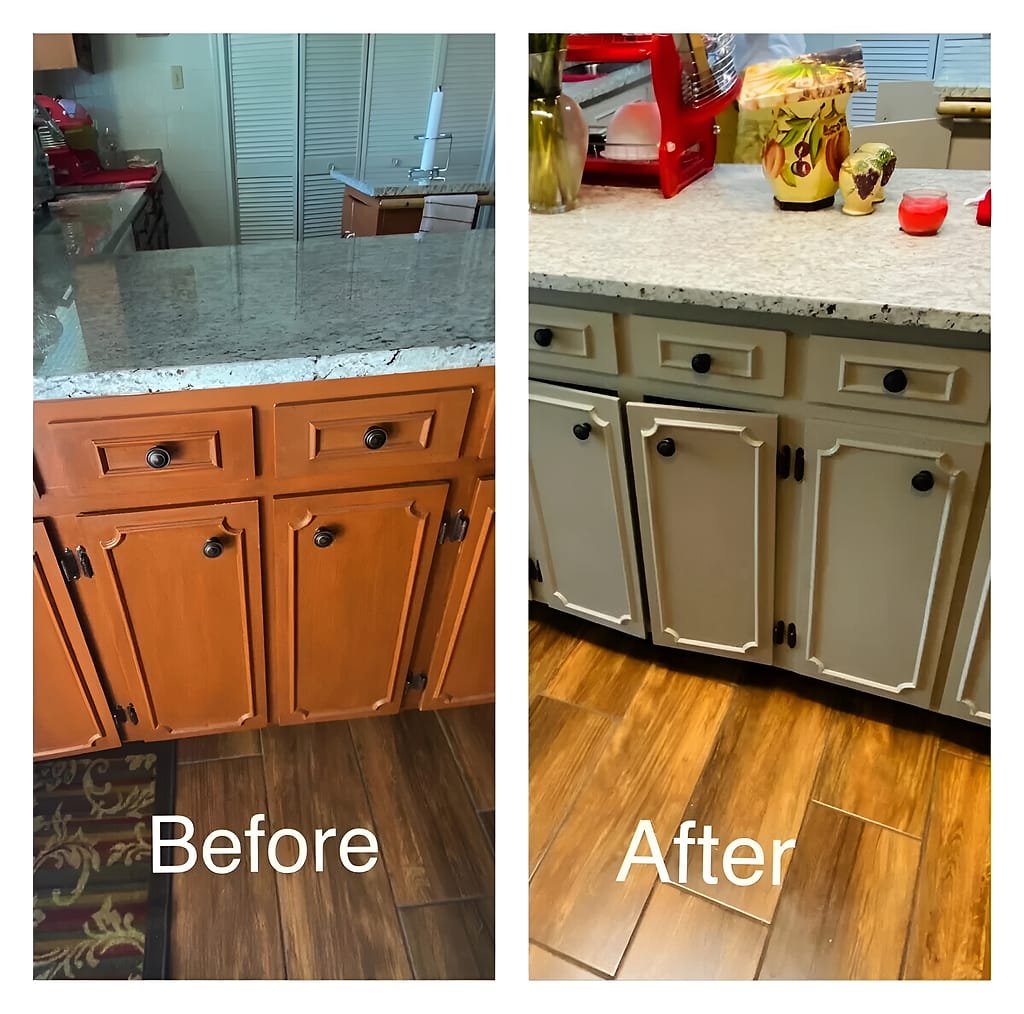 Cabinets
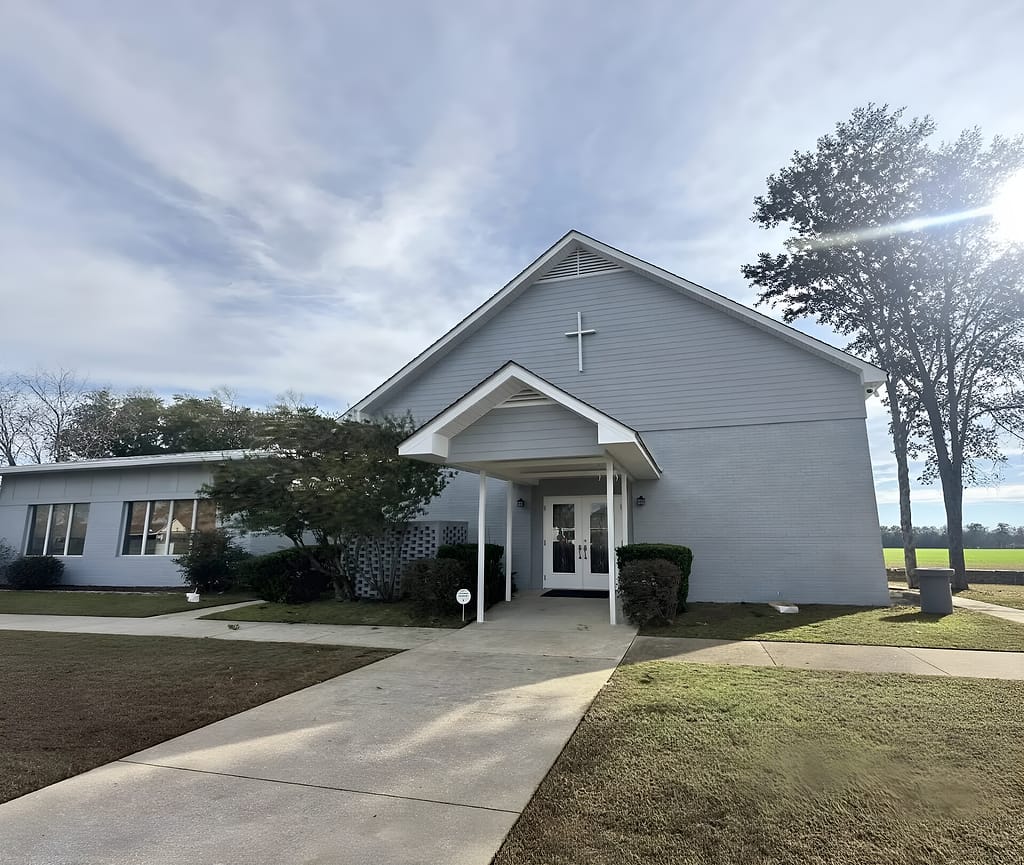 Commercial
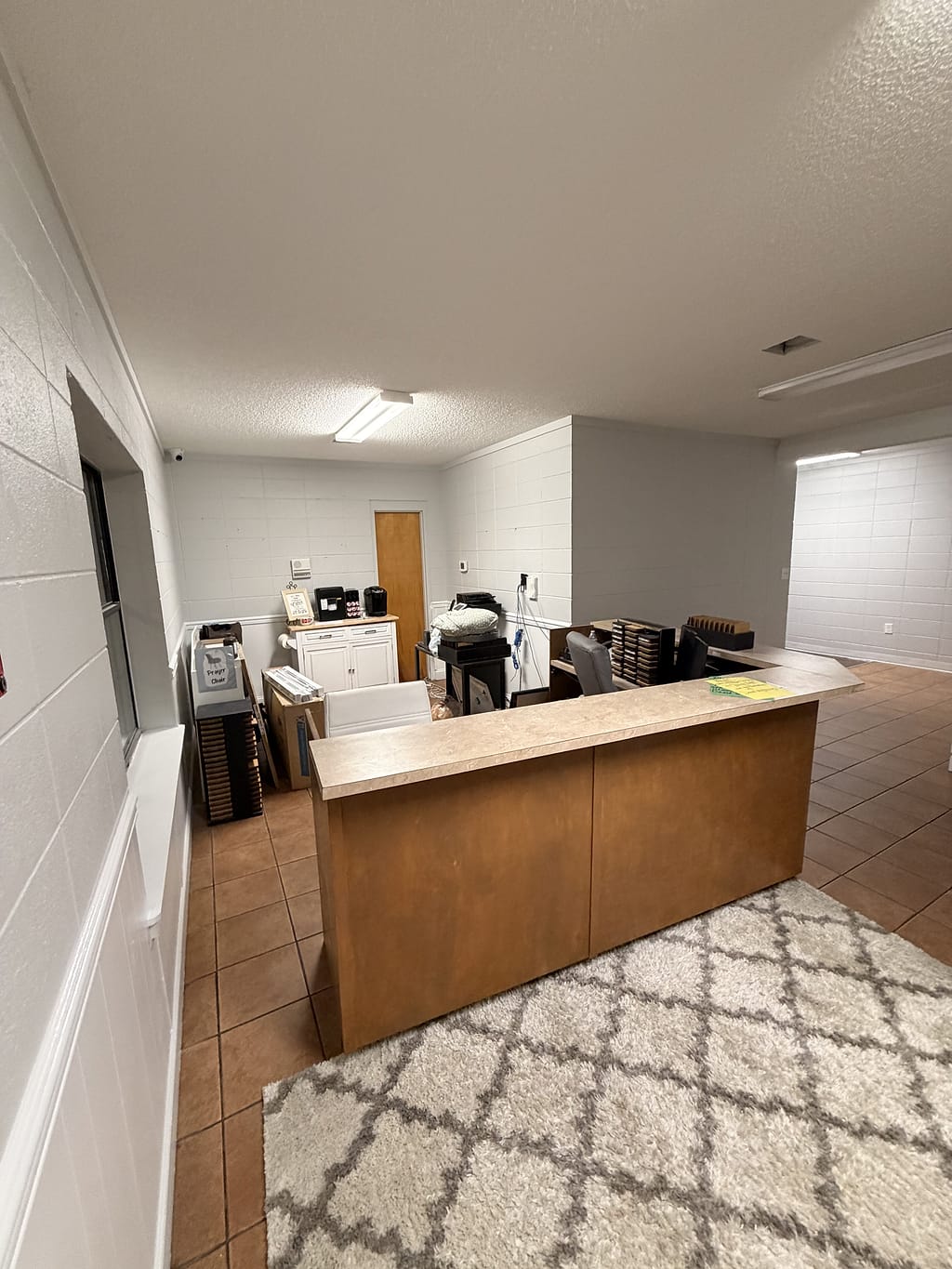 Commercial· Before & After
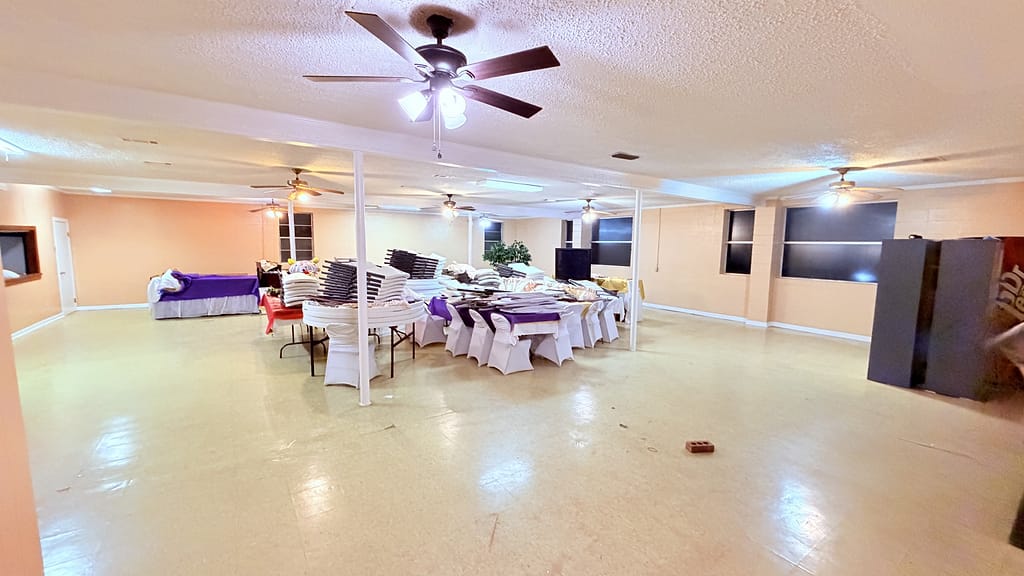 Commercial
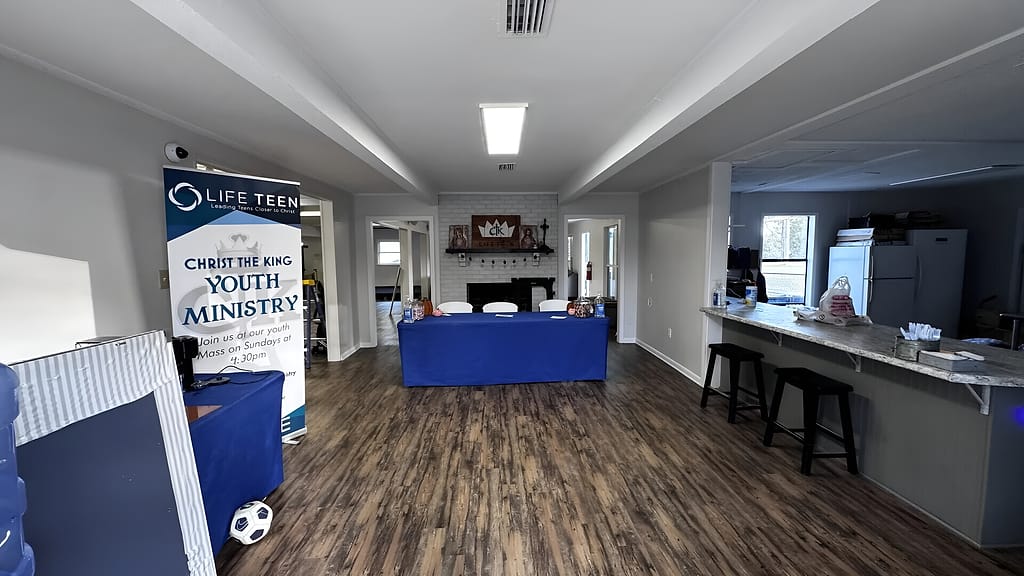 Commercial
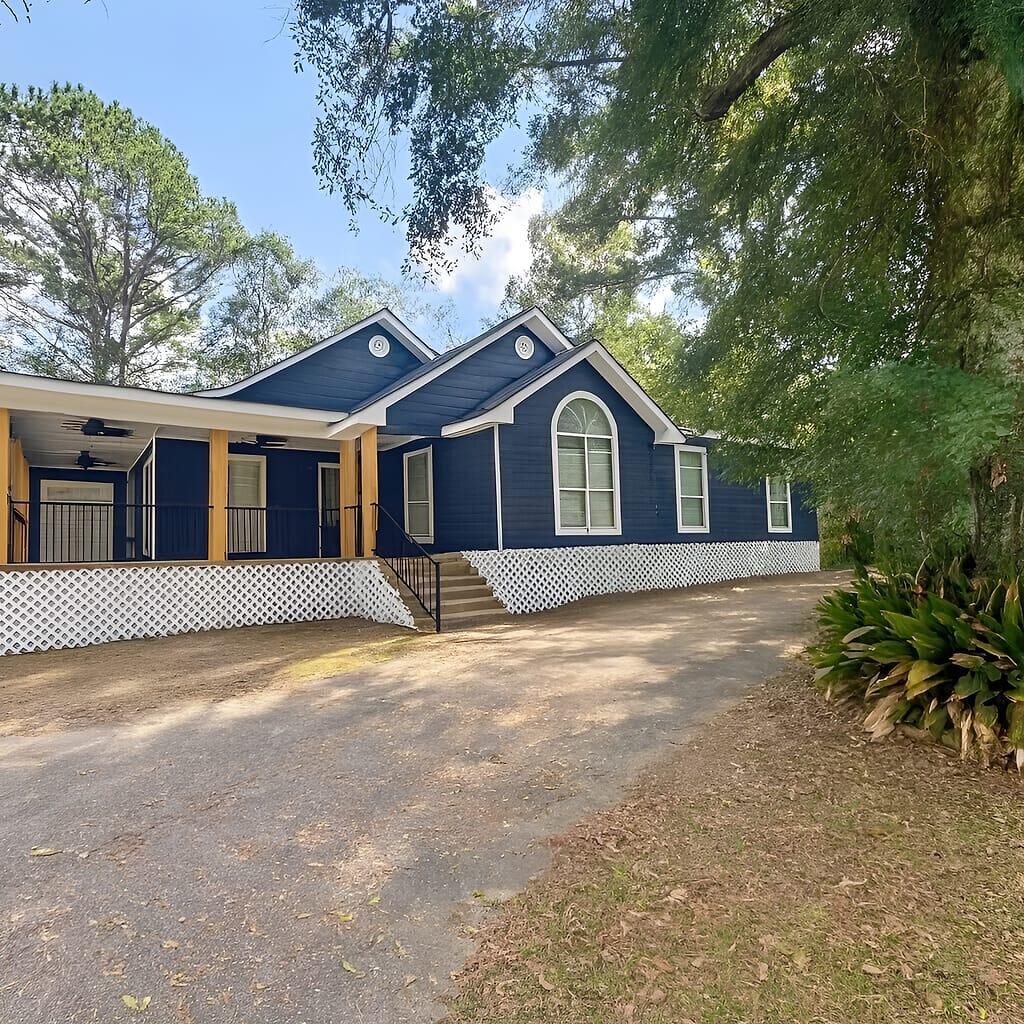 Exterior
 Exterior
 Exterior
 Exterior
 Exterior· Before & After
 Exterior
 Exterior
 Exterior· Before & After
 Exterior
 Exterior
 Exterior· Before & After
 Exterior
 Exterior· Before & After
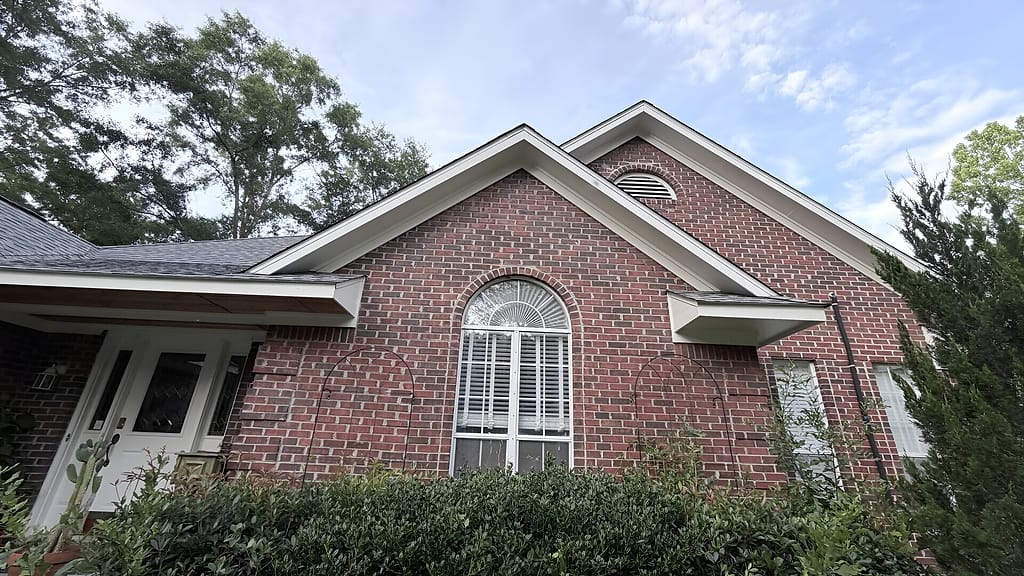 Exterior
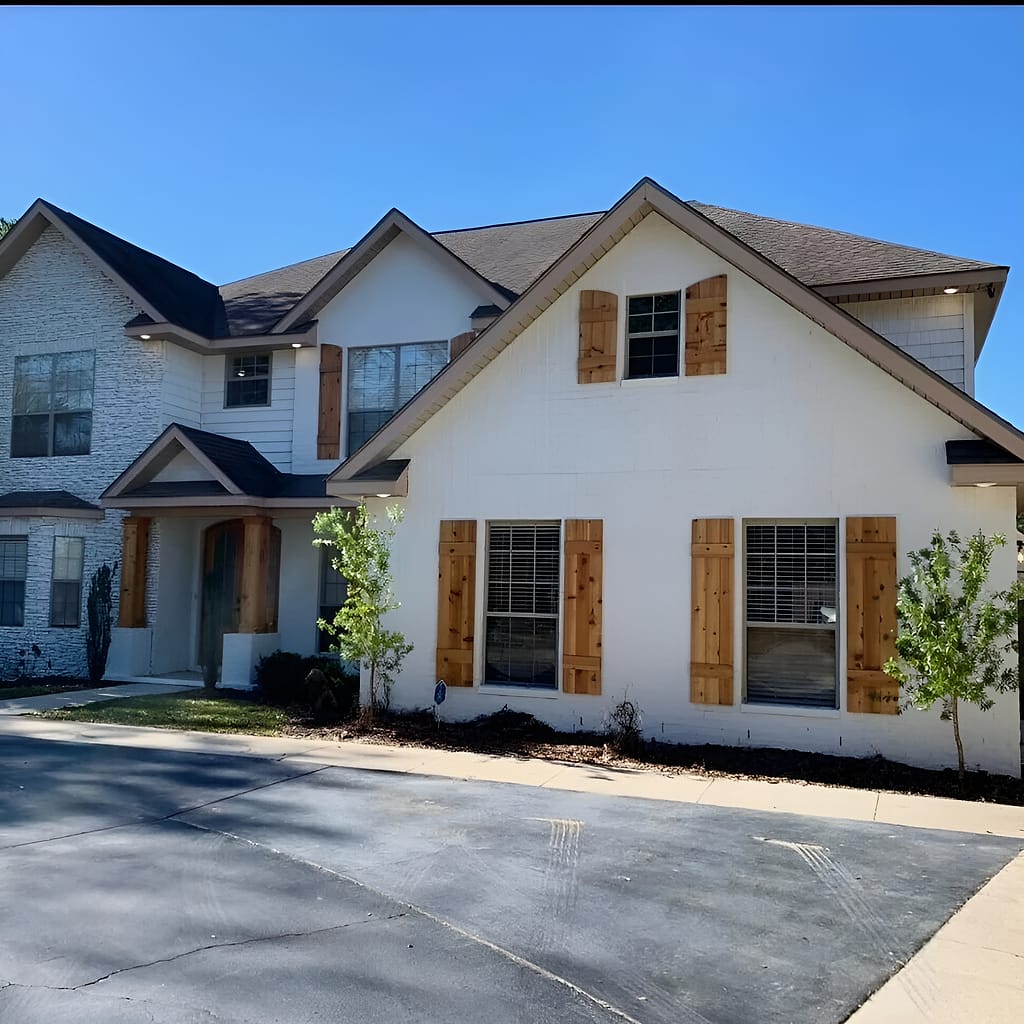 Exterior
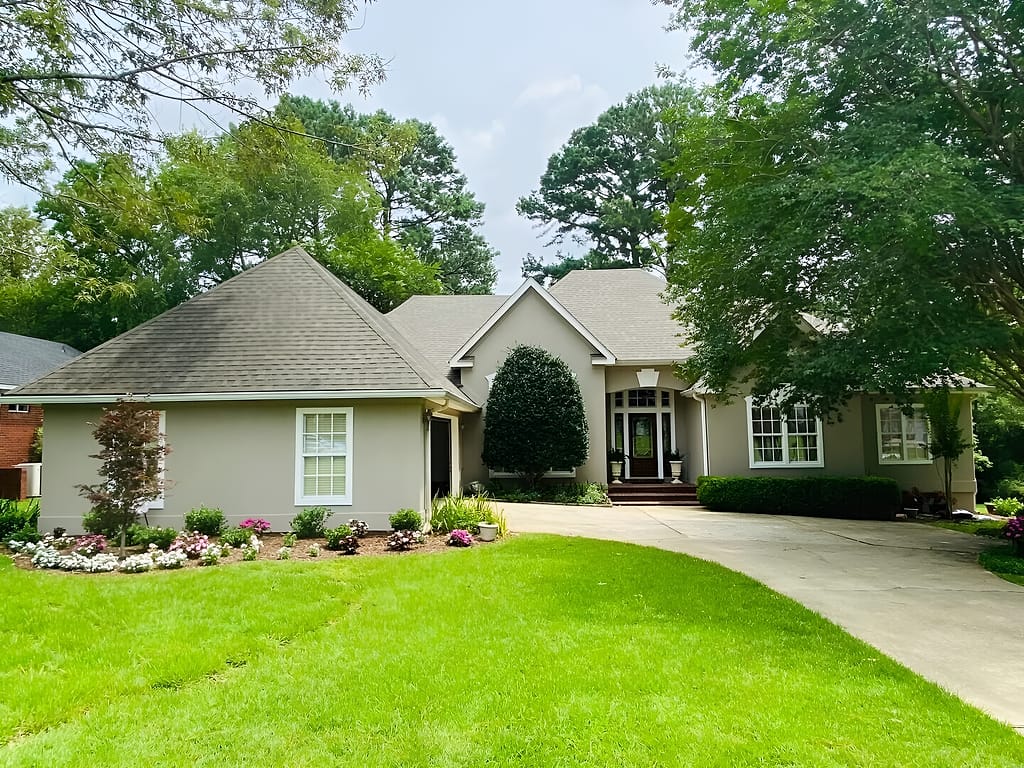 Exterior
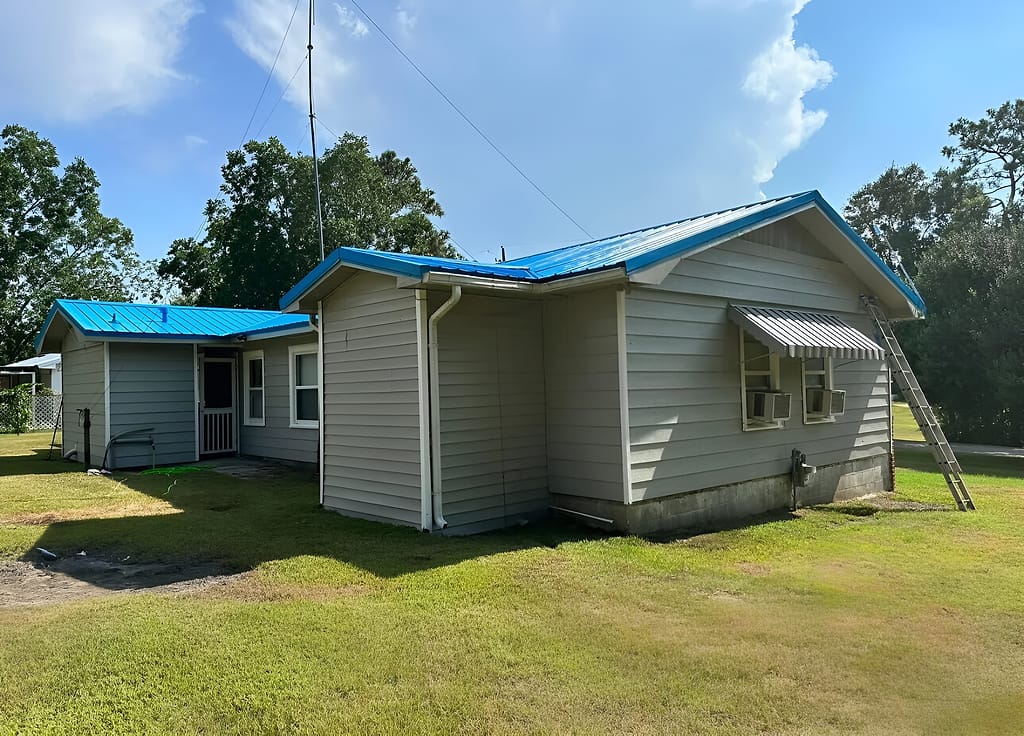 Exterior
 Exterior
 Exterior
 Exterior
 Exterior
 Exterior· Before & After
 Exterior
 Exterior
 Exterior
 Exterior· Before & After
From homeowners and businesses we have painted for.
“Above and beyond our expectations!”
End result was above and beyond our expectations! Megan and Alex are so pleasant and accommodating, and they truly listen to the needs and concerns of their clients.
End result was above and beyond our expectations! Megan and Alex are so pleasant and accommodating, and they truly listen to the needs and concerns of their clients. Highly recommend, and will call them again if other projects arise!
“Affordable, considerate and efficient.”
Alex and Megan came by on Tuesday and because began with on Wednesday. They moved my furniture all things that needed put away. They painted my fireplace, interior walls of living room, kitchen- dining area, and trim molding. They were through on one day, they did a great job.
Alex and Megan came by on Tuesday and because began with on Wednesday. They moved my furniture all things that needed put away. They painted my fireplace, interior walls of living room, kitchen- dining area, and trim molding. They were through on one day, they did a great job. They were affordable, considerate and efficient Cutting in the edges were a lot in my old home but Alex does a great job. I will use them as I need them. I highly recommend them. Thank you Alex and Megan
“Our expectations were not met they were exceeded.”
Our experience with the Paint Doctors LLC was impressive from the initial phone call. The professionalism and eager to please culture was evident and their promptness to my questions was exemplary.
Our experience with the Paint Doctors LLC was impressive from the initial phone call. The professionalism and eager to please culture was evident and their promptness to my questions was exemplary. Arriving on time in delivering the estimate and delivering the work on time was refreshing. Though, being a smaller company they function like a much larger one as it pertains to their overall execution. I believe they are committed to delivering at the highest level. The painting was executed and completed on time with benchmarks being shared during the entire process. Our expectations were not met they were exceeded. The pricing was fair and they even offered a veterans discount! Without any hesitation whether a residential or commercial need arises they will be my painter of choice! Happily submitted by Andrews Street Church of Christ, Mobile Alabama.
“I cannot thank them enough.”
I made a compete mess, had a tight timeline and budget. I reached out and Megan responded quickly and honestly! I cannot thank them enough for the professional job they did and how quickly they were able to do it! I highly recommend them and plan to use them again in the future!
I made a compete mess, had a tight timeline and budget. I reached out and Megan responded quickly and honestly! I cannot thank them enough for the professional job they did and how quickly they were able to do it! I highly recommend them and plan to use them again in the future! Outstanding job!
“This is the best painting company I have ever ran across.”
This is the best painting company I have ever ran across. They were there for me at the last minute, called me back to promptly after each call. They set up an appointment to have my walls fixed and painted the next day.
This is the best painting company I have ever ran across. They were there for me at the last minute, called me back to promptly after each call. They set up an appointment to have my walls fixed and painted the next day. Worked with me on a price that I could afford and what was the most business oriented respectful company I have ran across in my 40 years. I appreciate the Paint Doctors and I highly recommend anybody use them and you will never be ripped off like all these other companies that want to charge you per hour and day they can get everything you need done as soon as it is possible and do not come after you to try to take everything they can to take advantage of people in the woman who owns this company was such a sweet lady and I can’t wait to use them again. Thank you Paint Doctors.
“The finish product was outstanding”
Magen and Alex provided excellent customer service. They were responsive, courteous and provided comprehensive attention to details. They were relentless in problem solving issues. The finish product was outstanding and will use them again for future projects
“I am very pleased with the final product.”
I highly recommend Alex and Megan of Paint Doctors, LLC for your painting project. They are very responsive and personable. They were fully committed to the job and did their job quite well.
I highly recommend Alex and Megan of Paint Doctors, LLC for your painting project. They are very responsive and personable. They were fully committed to the job and did their job quite well. I am having my 90 yr old house resided, and I asked Paint Doctors to paint the overhanging eves/soffit, paint the window trims, and the front porch before the siding installation. They spray-washed all surfaces to remove decades of grime and mold, they caulked all seams, and put on 2 coats of prime paint (Sherwin Williams). I am very pleased with the final product. I will reach out to the Paint Doctors when I need another major paint project done.
“A wonderful job painting our cabinets.”
Megan and Alex at Dependable Painting did a wonderful job painting our cabinets in our home! They were on time, and very efficient. They were also very courteous and wanted to ensure that we were happy with everything. We would highly recommend them for any painting needs.
“By far, they are the best from all the rest.”
Meagan and Alex at Dependable Painting went above and beyond my expectations! They were so detailed on every single thing, and it truly shows in the finished work.
Meagan and Alex at Dependable Painting went above and beyond my expectations! They were so detailed on every single thing, and it truly shows in the finished work. The transformation of my home is absolutely beautiful, and their professionalism and care made the whole process stress-free. By far, they are the best from all the rest — if I could give them 10 stars, I would! I am so grateful for their hard work and highly recommend them to anyone wanting painting done right. — Charlotte Phillips
“Their lines were razor sharp all throughout the house.”
Contacted several painters for quotes and Dependable Painting LLC gave me the most reasonable one. Megan and Alex were excellent communicators throughout the entire process. Just like their business name implies, they were extremely dependable.
Contacted several painters for quotes and Dependable Painting LLC gave me the most reasonable one. Megan and Alex were excellent communicators throughout the entire process. Just like their business name implies, they were extremely dependable. I was only going to have my trim and doors painted and cut-in, but I was so impressed by their quality of work and price that I hired them to paint the entire interior of the house as well. They showed great attention to detail and their lines were razor sharp all throughout the house. They even went above and beyond and painted some spots my children left on the roof for an extremely reasonable price. They were on time, efficient and had all the materials they needed to get the job done. Not only will I be recommending them on this platform, I'll be recommending them to anyone I know of who needs painting done at their home or business. Thanks Alex and Megan for a job well done!
“The finished product exceeded our expectations and completely transformed the look of our home.”
We recently hired Paint Doctors, LLC to paint the exterior of our home, and we could not be happier with the results. From the initial consultation to the final walkthrough, they were professional, knowledgeable, and attentive to every detail.
We recently hired Paint Doctors, LLC to paint the exterior of our home, and we could not be happier with the results. From the initial consultation to the final walkthrough, they were professional, knowledgeable, and attentive to every detail. Communication throughout the entire process was outstanding. They kept us informed, answered all of our questions, and made sure everything was completed exactly as promised. Their attention to detail truly sets them apart — the finished product exceeded our expectations and completely transformed the look of our home. Not only did they deliver exceptional quality work, but they were also affordable and provided tremendous value for the level of craftsmanship and service they offer. If you're looking for a painting company that is reliable, professional, and takes pride in their work, I highly recommend Paint Doctors, LLC. We would absolutely use them again!
“They exceeded our expectations!”
"We hired Paint Doctors to do the exterior of our home and they exceeded our expectations! Their quote turnaround was under 24 hours and their work covered far more than we had expected!
"We hired Paint Doctors to do the exterior of our home and they exceeded our expectations! Their quote turnaround was under 24 hours and their work covered far more than we had expected! Megan and Alex took care of the smallest details I didn’t even think of and even had a digital tool to make mock images of our home with the selected colors and options when I was unsure of a choice. The daily communication with changes and questions was on point! We love supporting local and am so thankful we found them. Highly recommend!
“A stunning transformation that far exceeded my hopes.”
I am delighted to commend Paint Doctors LLC for their exceptional service. They recently performed repairs and expertly painted several rooms in my residence, achieving a stunning transformation that far exceeded my hopes.
I am delighted to commend Paint Doctors LLC for their exceptional service. They recently performed repairs and expertly painted several rooms in my residence, achieving a stunning transformation that far exceeded my hopes. From our first meeting, they impressed me with their professionalism and insightful guidance, helping refine my vision for the project and future projects. The craftsmanship was flawless; every repair was meticulously executed, and the paintwork delivered a vibrant, pristine finish throughout. What truly stood out was their unwavering dedication to a spotless work environment, safeguarding my home and leaving it immaculate after completion. Paint Doctors LLC is a testament to reliability and skill, delivering a superior outcome seamlessly. I wholeheartedly recommend them for any future painting or repair needs, confident in their ability to provide outstanding quality and genuinely enhance property value. Patti
“My realtor couldn't believe the results.”
Megan and her team at Paint Drs were awesome. Super quick response, honest:reasonable price quotes, and extremely detailed. They noted some other recommended work, and were able To adjust on the fly to accommodate my tight timelines.
Megan and her team at Paint Drs were awesome. Super quick response, honest:reasonable price quotes, and extremely detailed. They noted some other recommended work, and were able To adjust on the fly to accommodate my tight timelines. Professional service- and my realtor couldn’t believe the results. Fantastic job, and easy to work with. 10/10 would recommend Paint Drs to anyone looking for a paint job in Baldwin county.
Real answers from the jobs we have done across Baldwin and Mobile County.
Don't see your question? We're always happy to talk.
Every pin is a real job of ours, a few of the many we photographed across both counties. Tap your town for the photos, the neighborhoods, and what we know about painting there.
Don't see your town? We work all across Baldwin and Mobile County.
 Paint Guru